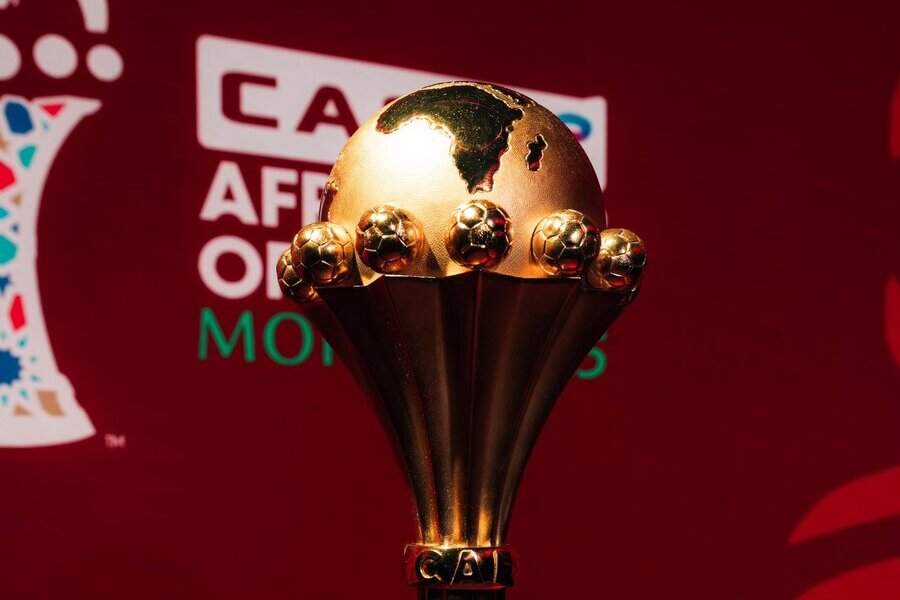
With Morocco preparing to welcome Africa for the 35th TotalEnergies CAF Africa Cup of Nations, the weight of history hangs heavily over the tournament. AFCON is not merely a football competition; it is Africa’s most powerful sporting chronicle, a living archive of struggle, pride, reinvention and joy.
From its modest beginnings in 1957 to Côte d’Ivoire’s unforgettable home triumph in 2024, AFCON has grown into the continent’s most emotionally charged spectacle. Every edition has reflected the spirit of its time, shaped by politics, culture and identity as much as by goals and trophies. To win AFCON has never been just about lifting silverware; it has been about declaring presence, resilience and belonging.
The birth of a continental voice
AFCON was born alongside Africa’s political awakening. Egypt’s victory at the inaugural tournament in 1957, repeated two years later, carried symbolism beyond football. It marked the emergence of African self-expression on a global stage, using sport as a language of unity and confidence.
Ethiopia’s 1962 success followed the same path, reinforcing football as a vessel of national pride. Then Ghana arrived with force and purpose. Backed by Kwame Nkrumah’s Pan-African ideals, the Black Stars’ titles in 1963 and 1965 transformed AFCON into a political and cultural statement, projecting ambition far beyond the pitch.
Zaire’s breakthrough in 1968 signalled another turning point. Central Africa had arrived, and AFCON was no longer the domain of a handful of nations, it was becoming truly continental.
AFCON 2025: Schedule, results and standings of the Africa Cup of Nations
Expansion, identity and tactical evolution
The 1970s widened AFCON’s horizons. Sudan’s home triumph in 1970 and Congo Brazzaville’s historic win in 1972 reinforced the tournament’s growing diversity. Morocco’s 1976 victory, achieved through tactical discipline rather than flamboyance, reshaped perceptions of how AFCON could be won. It introduced a North African footballing philosophy built on structure and intelligence.
Ghana’s return to the summit in 1978 reaffirmed its early dominance, but the landscape was changing rapidly. AFCON was evolving from raw expression into a competition of contrasting styles and strategic depth.
AFCON 2025: Okoduwa predicts Super Eagles starting XI against Tanzania
Power, precision and global recognition
Nigeria’s first title in 1980 ignited a football culture that would influence generations across West Africa. Cameroon followed in 1984, ushering in an era defined by physical strength, organisation and relentless competitiveness.
The late 1980s and 1990s marked AFCON’s tactical maturity. Egypt’s 1986 triumph restored its authority, while Cameroon’s 1988 success cemented the Indomitable Lions as a continental benchmark. Algeria’s 1990 home victory showcased Maghreb football at its most refined.
Drama became a defining feature. Côte d’Ivoire’s nerve-racking penalty shootout win in 1992 captured AFCON’s emotional extremes. Nigeria’s 1994 title confirmed the rise of a golden generation, while South Africa’s 1996 triumph, achieved just two years after the end of apartheid, transcended sport, turning AFCON into a symbol of reconciliation and hope.
Cameroon’s back-to-back titles in 2000 and 2002, driven by the brilliance of a young Samuel Eto’o, closed the century with authority.
Dynasties, redemption and new horizons
The early 2000s delivered contrasting narratives. Tunisia celebrated a home victory in 2004, but Egypt soon redefined dominance. Between 2006 and 2010, the Pharaohs achieved an unprecedented three consecutive titles, combining tactical discipline, depth and consistency to become AFCON’s most decorated nation.
Then came one of the tournament’s most poignant moments. Zambia’s 2012 victory in Libreville, near the site of the 1993 plane crash that wiped out an entire national team, was football as remembrance and healing. It was an AFCON title that belonged to memory as much as to the present.
The modern era has blended tradition with renewal. Nigeria’s 2013 success reasserted its pedigree. Côte d’Ivoire’s 2015 triumph finally rewarded a generation that had endured repeated heartbreak. Cameroon’s 2017 victory reinforced its reputation as AFCON’s most resilient force.
Algeria’s 2019 win marked a tactical renaissance, while Senegal’s long-awaited breakthrough in 2022 ended decades of near misses. Côte d’Ivoire’s astonishing home triumph in the 2023 edition, achieved after an improbable turnaround, once again proved AFCON’s unmatched capacity for drama.
AFCON 2025: Tunisia unveil squad, Trabelsi bets on familiar faces and fresh impetus
More than a trophy
Egypt’s seven titles stand as the gold standard of continental consistency. Cameroon’s five and Ghana’s four underline dynasties built across generations, while Nigeria and Côte d’Ivoire’s three each highlight West Africa’s enduring depth.
Yet perhaps AFCON’s most powerful statement lies in its expanding circle of champions. Senegal, Zambia and South Africa remind us that this tournament remains open, emotional and fiercely democratic.
Every AFCON crown carries meaning beyond football. These victories have mirrored national rebirths, political change and collective healing. Celebrations spill into streets, prayers rise at dawn, and memories endure long after the final whistle.
As Morocco prepares its nine venues and the continent turns its eyes north, the questions return. Can Egypt reclaim supremacy? Will Senegal confirm its new era? Or will a new name be etched into history?
AFCON 2025: Atlas Lions unleash heavyweight roster, aim on home glory
AFCON Champions by Year
1957: Egypt
1959: Egypt
1962: Ethiopia
1963: Ghana
1965: Ghana
1968: Zaire
1970: Sudan
1972: Congo
1974: Zaire
1976: Morocco
1978: Ghana
1980: Nigeria
1982: Ghana
1984: Cameroon
1986: Egypt
1988: Cameroon
1990: Algeria
1992: Côte d’Ivoire
1994: Nigeria
1996: South Africa
1998: Egypt
2000: Cameroon
2002: Cameroon
2004: Tunisia
2006: Egypt
2008: Egypt
2010: Egypt
2012: Zambia
2013: Nigeria
2015: Côte d’Ivoire
2017: Cameroon
2019: Algeria
2021: Senegal
2023: Côte d’Ivoire