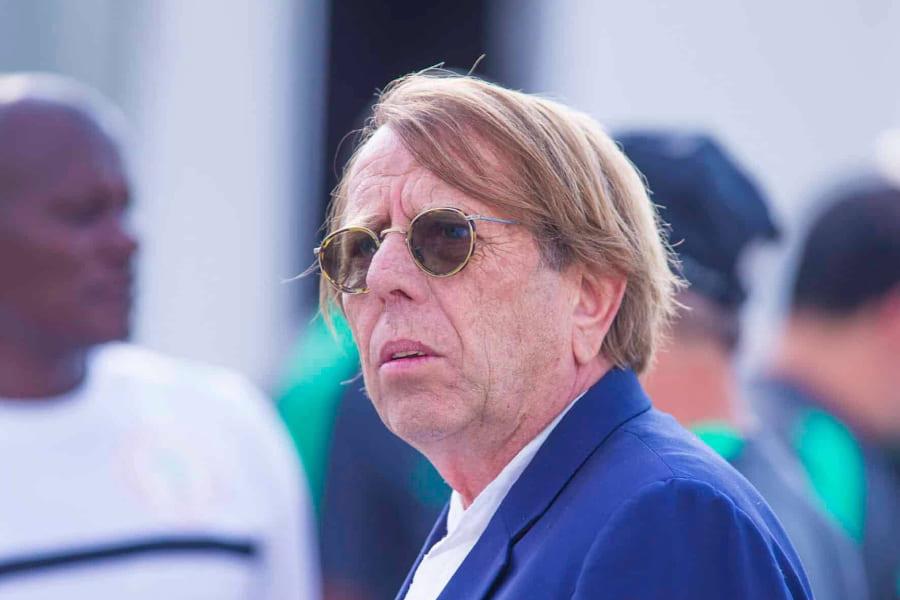
Former Ghana head coach Claude Le Roy has launched a blistering attack on the leadership of African football following CAF’s controversial decision to alter the Africa Cup of Nations (AFCON) calendar.
CAF president Dr. Patrice Motsepe recently confirmed that after the 2027 tournament, which will be jointly hosted by Uganda, Kenya and Tanzania, AFCON will move from its traditional two-year cycle to a four-year format. The announcement has divided opinion across the continent, and Le Roy has now emerged as one of its fiercest critics.
In an interview with Nigerian journalist Osasu Obayiuwana, the veteran French coach suggested that the change reflects growing external interference in African football, pointing an accusing finger at FIFA President Gianni Infantino.
“What does [FIFA President Gianni] Infantino know about anything? What does he know about life? Look at how he has become so close to Donald Trump. It’s sickening,” he stated.
AFCON 2025: Schedule, results and standings of the Africa Cup of Nations
Le Roy, who has coached several African national teams and remains a vocal defender of the continent’s football identity, argued that the biennial nature of AFCON is central to Africa’s football culture and development.
“Football in Africa is under serious attack. It is very wrong to change the AFCON from a two to a four-year event. Look at the way Infantino was acting during the AFCON 2025 opening ceremony, like he owns the place. Can he do this at a UEFA event?. When Issa Hayatou was president, these things would never have happened,” he added.
The former Ghana boss’s comments come at a time when CAF’s decision continues to stir intense debate among fans, players and administrators. Critics fear that extending AFCON to a four-year cycle could reduce opportunities for African players, weaken the tournament’s visibility, and further tilt power away from the continent’s football institutions.
Despite CAF’s assurances that the move is intended to align the tournament with global calendars and ease player congestion, voices like Le Roy’s highlight the growing concern that African football risks losing control of its own destiny.