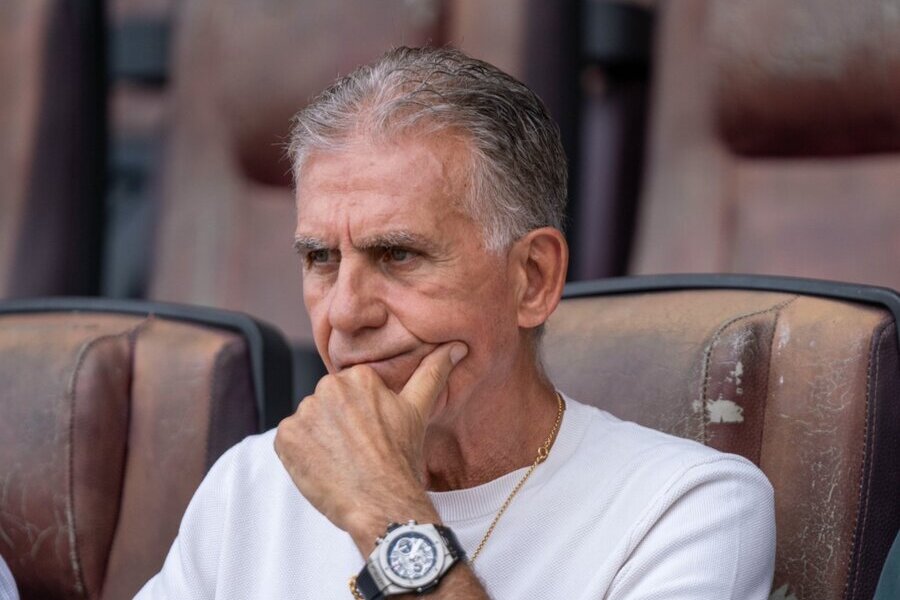
When Carlos Queiroz accepted the task of leading the Ghana national football team into the 2026 FIFA World Cup, he inherited both promise and pressure in equal measure.
The veteran tactician steps in after Otto Addo successfully guided the Black Stars to qualification, but the real test lies ahead on football’s grandest stage.
For all his experience, Queiroz will confront a series of complex challenges that could define Ghana’s tournament. Here are five major hurdles standing between him and success.
Limited preparation time
International football rarely affords luxury, but Queiroz’s timeline is particularly unforgiving. Taking over after qualification means he must quickly impose his philosophy, assess player roles, and build cohesion.
Unlike club football, where months of training shape identity, World Cup preparation is condensed into brief windows.
Queiroz must accelerate chemistry within a squad that was previously molded under a different tactical vision.
Augustine Arhinful backs Carlos Queiroz to boost Ghana ahead of 2026 World Cup
Balancing experience and youth
Ghana’s squad is a delicate blend of emerging stars like Abdul Fatawu Issahaku and seasoned internationals like Jordan Ayew. Striking the right balance will be crucial.
Lean too heavily on youth, and the team risks naivety under pressure. Rely too much on experience, and dynamism could suffer.
Queiroz’s selection and rotation policy will need precision, especially in a tournament where momentum shifts quickly.
Carlos Queiroz sets sights firmly on World Cup glory with Ghana Black Stars
Tactical identity under pressure
Queiroz is renowned for defensive organization and discipline, but Ghana’s traditional identity leans toward flair and attacking freedom.
The challenge lies in merging pragmatism with creativity. If the system becomes too rigid, it may stifle attacking talents. If it’s too open, Ghana could be exposed against elite opposition. Finding that equilibrium will be one of his defining tasks.
Carlos Queiroz plots familiar backroom reunion as De Sá nears Ghana role
Handling enormous expectations
Ghana carries the weight of a proud footballing history, from their dramatic run in 2010, as they almost made the semifinals, to their reputation as one of Africa’s most competitive sides.
With qualification secured, expectations will only intensify. Fans and stakeholders will demand not just participation, but progression. Queiroz must manage this pressure internally, ensuring it fuels rather than fractures the squad.
2026 World Cup. Five reasons Carlos Queiroz will succeed with Ghana Black Stars
Adapting to diverse opponents
The expanded World Cup format introduces a wider variety of playing styles. Ghana could face European efficiency, South American flair, or emerging tactical systems from Asia and North America.
Queiroz must prepare his team to be tactically flexible, capable of adjusting mid-game and across different opponents. Tournament success often hinges on adaptability, not just preparation.
For Carlos Queiroz, the 2026 World Cup represents both an opportunity and a gamble. His pedigree is unquestioned, but international football has a way of exposing even the most seasoned minds.
If he navigates these five challenges successfully, Ghana could once again become one of the tournament’s most compelling stories. If not, the margin for error at the World Cup is brutally thin and unforgiving.